
Willo SM5423 Automation Pediatric Oral Care User Manual
- June 5, 2024
- Willo
Table of Contents
- Willo SM5423 Automation Pediatric Oral Care
- Introduction
- Challenges in Traditional Tooth Brushing for Children
- The Necessity of Automation in Tooth Brushing
- Clinical Evidence and Home Usability
- Discussion and Conclusion
- Works Consulted
- Read User Manual Online (PDF format)
- Download This Manual (PDF format)
Willo SM5423 Automation Pediatric Oral Care
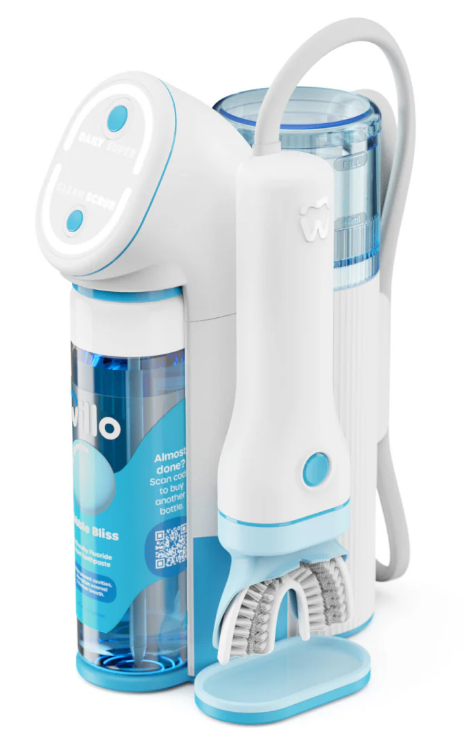
Introduction
- Oral hygiene is crucial, particularly for children, as it establishes lifelong oral health while managing dental caries risk. Yet, children struggle with manual toothbrushes due to poor dexterity, technique, and motivation, risking ineffective plaque removal.
- An effective automated toothbrush potentially offers a solution by compensating for the shortcomings associated with manual brushing.
- It enhances precision, and ease of use, and makes brushing engaging, addressing children’s struggles with traditional methods and reducing the risk of oral disease.
- This paper examines effective automated brushing benefits, supporting evidence, design factors, and its potential to enhance children’s dental care, aiming to encourage the uptake of this beneficial technology for improved oral health for children.
Challenges in Traditional Tooth Brushing for Children
- “Oral hygiene is a pivotal aspect of overall health, especially in the formative years of childhood. Yet, the path to achieving effective oral cleanliness is fraught with obstacles, particularly when relying on traditional tooth-brushing methods. These challenges, ranging from physical limitations to behavioural hurdles and prevalent misconceptions, significantly hamper the efficacy of daily oral hygiene routines in young populations.
DIFFICULTIES WITH MANUAL TOOTHBRUSHES IN PEDIATRIC ORAL HYGIENE
- Manual toothbrushes have long been the fundamental tool in the battle for oral hygiene. Their simplicity and potential effectiveness have rendered them a staple in bathrooms worldwide. However, their utilization, particularly by children, is fraught with challenges.
- These challenges are not merely inconveniences, but significant barriers that can undermine the foundation of good oral health practices from an early age.
- Let’s explore these difficulties in greater detail to understand their impact on pediatric oral hygiene.
LACK OF DEXTERITY
Children, particularly those under ten years old, struggle with the motor
skills needed for brushing, affecting their ability to clean hard-to-reach
spots prone to plaque, such as molars and near the gum line, vital in
preventing cavities and gingivitis. Poor brushing can result in dental decay,
gum disease, and deter children from regular oral care due to the frustration
of their inability to brush effectively.
LIMITED PATIENCE AND FOCUS
For children, the advised two-minute brushing feels much longer compared to
adults, due to their shorter attention spans and potential disinterest in the
activity. This results in brief, ineffective brushing, leaving significant
amounts of plaque remaining, increasing
the risk of dental disease. The real challenge is ensuring children’s brushing
is thorough and effective. Innovative solutions are needed to make brushing
engaging, promoting the proper duration for accuracy of brushing to maintain
oral health.
UNDERSTANDING OF PROPER TECHNIQUES
Effective brushing extends beyond basic movements; it includes the angle of
bristles towards the gumline and specific motions for safe plaque
removal—techniques often too complex for children to grasp or execute
consistently. Understandably educating children and ensuring they apply these
methods are major challenges. Inadequate technique can render even careful
brushing ineffective, leading to remaining plaque and debris. Addressing this
educational gap is crucial for children’s oral health, highlighting the
necessity for age-appropriate instructional resources.
BRIDGING THE GAP: TOWARDS SOLUTIONS
Children’s limited dexterity and attention spans pose challenges for effective
manual toothbrushing. To improve pediatric oral hygiene, we need specially
designed toothbrushes that are easy to use and engaging. A technology-driven
solution can facilitate children’s proper brushing techniques and is crucial
for both short-term dental health and establishing lifelong good habits.
The Necessity of Automation in Tooth Brushing
- In the quest to overcome the barriers associated with traditional tooth brushing in children, automation emerges not merely as a modern convenience but as a necessity.
- This section delves into the imperative for automation in tooth brushing practices and delineates the essential attributes an automated toothbrush must embody to revolutionize pediatric oral hygiene.
MISCONCEPTIONS ABOUT POWER TOOTHBRUSHES
The rise of power toothbrushes promised a leap forward from manual brushing challenges. Yet, the idea that these products ensure better child dental care is flawed. It’s crucial to debunk myths that power toothbrushes alone will perfect oral hygiene practices in children. Benefits hinge on proper usage—mastering techniques, timing, and consistency.
Effective oral care requires a blend of supervision, skill development, and habit formation. Even with traditional power brushes, the challenges associated with inadequate motor skills, a lack of dexterity and attention to detail prevent the majority of children from obtaining good plaque removal results daily.
THE IMPERATIVE FOR AUTOMATED TOOTH BRUSHING
The primary goal of tooth brushing is the removal of dental plaque, a biofilm that if not adequately eradicated, leads to cavities, gingivitis, and other oral health issues. For children, the achievement of this goal is often compromised by the aforementioned challenges: insufficient dexterity, inadequate brushing technique, and a lack of understanding and patience. Automation in tooth brushing presents a solution engineered to surmount these obstacles by ensuring that the effectiveness of brushing is not contingent upon the child’s skill or diligence.
Effective automated toothbrushing technology can offer consistent, thorough cleaning with minimal dependence on user input. This not only enhances plaque removal but also instills a routine of oral hygiene that children can maintain with ease, every day. Such technology promises to bridge the gap between the ideal of perfect oral hygiene and the reality of children’s brushing practices, ensuring that the foundation for a lifetime of dental health is robustly laid.
SUMMARY OF THE NEED FOR AUTOMATED TOOTHBRUSHING
The advent of automation in tooth brushing heralds a significant leap forward in pediatric oral care. By embodying the key qualities of precision, emulation of manual techniques, adaptability, consistency, and user-friendly design, automated toothbrushes stand poised to redefine the standards of oral hygiene for children. In doing so, they address not only the immediate challenges of effective plaque removal but also the broader objective of cultivating lifelong oral health habits. The necessity of this innovation is clear: to ensure that every child can achieve and maintain optimal oral hygiene with confidence and ease.
Key Features of Effective Automated Tooth Brushing
The revolution in dental care through automated tooth brushing hinges on
several critical features. These characteristics are not mere enhancements but
foundational elements that ensure the technology fulfils its promise of
superior oral hygiene for children.
This section explores the key features that set apart automated toothbrushing
as a pivotal advancement in pediatric dental care.
EMULATION OF MANUAL BRUSHING
A cornerstone of effective tooth brushing is the precise movement and positioning of the bristles to remove plaque without causing harm to the gums or enamel. An automated toothbrush must replicate the nuanced actions of manual brushing, which involves angling the bristles towards the gumline and executing gentle circular or vibratory motions. This emulation ensures that the automated process mirrors the recommended practices of dental professionals, offering a seamless transition from manual to automated brushing with no compromise in quality or effectiveness, but with accuracy and repeatability.
BASS BRUSHING TECHNIQUE
The Bass technique, widely advocated for its effectiveness
in cleaning along the gumline and removing plaque, requires the brush bristles
to be angled at approximately 45 degrees towards the gumline, with short back-
and-forth lateral/circular movements. For an automated toothbrush to be
genuinely effective, it must incorporate technology capable of executing this
technique. By automating the Bass method, the toothbrush can provide an
optimal cleaning experience that targets the areas most susceptible to plaque
accumulation and gum disease, thus ensuring comprehensive oral health
maintenance.
ACCESSIBILITY TO ALL MOUTH AREAS
One of the most significant challenges in pediatric oral hygiene is ensuring the toothbrush reaches every corner of the mouth, including the hard-to-reach posterior teeth, interdental spaces, and near the gingival sulcus. An automated toothbrush must be designed with a form factor and movement capabilities that allow it to access these areas effortlessly – crucial for children who may lack the manual dexterity and awareness to brush effectively on their own. By ensuring complete mouth coverage, the automated toothbrush can provide a uniform cleaning experience that manual or even traditional electric toothbrushes might not consistently achieve.
CONSISTENCY AND TIME EFFICIENCY
Consistency in brushing—reaching every tooth surface with the right amount of pressure and for the correct duration—is pivotal for maintaining oral health. An automated toothbrush should be engineered to consistently perform effective brushing cycles within the dentist-recommended two minutes, twice daily. This consistency not only ensures that each brushing session is as productive as the last but also instils a routine that can form the basis of lifelong oral hygiene habits.
EASE OF USE
To truly transform pediatric dental care, an automated toothbrush must be
intuitively designed for ease of use by children. This means minimal buttons
and controls, straightforward operation, and features that make the toothbrush
appealing and engaging for young users. The ability for a child to achieve
effective brushing results independently is a game-changer in oral health,
empowering them to take charge of their dental hygiene from an early age.
SUMMARY OF FEATURES IN EFFECTIVE AUTOMATED BRUSHING FOR CHILDREN
The key features of automated tooth brushing—emulation of manual techniques, implementation of the Bass method, comprehensive accessibility, consistency, and user-friendliness—collectively embody the next step in oral care innovation. By addressing the unique needs and challenges of pediatric oral hygiene, an effective automated toothbrushing technology promises not only to enhance the effectiveness of daily brushing but also to inspire a new generation to embrace oral health with confidence and autonomy.
Clinical Evidence and Home Usability
- The evolution of toothbrushing technology, specifically the introduction of an effective automated toothbrush, marks a significant leap forward in oral care. The premise of creating this device is to enhance the efficacy of oral hygiene practices, particularly in pediatric populations.
- This section examines clinical evidence supporting the effectiveness of automated toothbrushes in plaque removal, emphasizing the importance of translating these results into practical, everyday scenarios within the home.
CLINICAL EVIDENCE SUPPORTING AUTOMATED TOOTHBRUSHES
- A recent study focusing on single brushing sessions has provided insightful data into the efficiency of an effective automated toothbrush. This study measures plaque levels before and after the use of an automated toothbrush, comparing the results to those achieved with manual toothbrushes. The findings demonstrated the superior ability of automated toothbrushes to remove plaque, attributed to their advanced technology, which ensures that brushing techniques recommended by dental professionals are accurately and consistently applied across all areas of the mouth. This study also demonstrated ease of use, lack of need for positioning and movement of the bristles by the child without adult supervision, allowing the child to achieve the same effective results each day.
- An automated toothbrush was particularly effective in reaching difficult areas, such as the posterior teeth and near the gumline, places where children typically struggle to clean effectively with manual toothbrushes due to limited dexterity and technique.
IMPORTANCE OF REPLICABILITY IN A NON-CLINICAL SETTING
While clinical evidence underscores the potential of automated toothbrushes, the true measure of their value lies in their performance in non-clinical, everyday settings. It is crucial that the outcomes observed in controlled studies can be replicated in the home, where children brush their teeth without professional supervision. Achieving consistent results in this environment hinges on several factors, including the design of the toothbrush to ensure ease of use, the child’s engagement with the device, and the incorporation of features that encourage adherence to recommended brushing durations and frequencies.
- The ability of children to achieve similar plaque removal outcomes independently at home validates the investment and innovation in automated toothbrush technology.
- It highlights the device’s capacity to bridge the gap between professional dental care and daily oral hygiene practices, empowering children to take charge of their dental health with confidence.
Discussion and Conclusion
-
When comparing automated toothbrushes to their manual counterparts, several considerations come to the forefront. The efficacy of automated toothbrushes in plaque removal has been well documented, offering a compelling argument
for their adoption. However, the comparison extends beyond efficacy alone. It encompasses the user experience, particularly for children, for whom traditional brushing methods can pose challenges related to technique, thoroughness, and consistency. -
An effective automated toothbrush addresses challenges by providing a standardized and automated method of cleaning that is not dependent on user skill. This technological advantage ensures that effective oral hygiene is available to all children, irrespective of their manual dexterity or understanding of brushing techniques.
-
The creation of effective automated toothbrush technology represents a significant advancement in pediatric oral care. Clinical studies have demonstrated its efficacy in plaque removal, a crucial factor in preventing dental diseases. Moreover, the potential for children to replicate these results independently at home underscores the practical value of automated toothbrushes in daily oral hygiene practices.
-
Through continued innovation and education, automated toothbrushing technology holds the promise of transforming pediatric oral health, making effective oral hygiene an achievable goal for children worldwide.
Works Consulted
-
Alade, G., & Bamigboye, S. (2022). Self-reported oral hygiene practice and utilization of dental services by dental technology students in Port Harcourt, Rivers State, Nigeria. African Health Sciences, 22(4), 284-290. https://doi.org/10.4314/ahs.v22i4.33
-
Choo, A., Delac, D., & Messer, L. B. (2001). Oral hygiene measures and promotion: Review and considerations. Australian Dental Journal, 46(3), 166-
173. https://doi.org/10.1111/j.1834-7819.2001.tb00277.x -
Davidovich, E., Ccahuana-Vásquez, R. A., Timm, H., Grender, J., & Zini, A.
(2017). Randomised clinical study of plaque removal efficacy of a power toothbrush in a paediatric population. International Journal of Paediatric Dentistry, 27(6), 558-567. https://doi.org/10.1111/ipd.12298 -
Davidovich, E., Ccahuana-Vásquez, R. A., Timm, H., Grender, J., & Zini,
-
A. (2021). Randomised clinical study of plaque removal efficacy of an electric toothbrush in primary and mixed dentition. International Journal of Paediatric Dentistry, 31(5), 657-663. https://doi.org/10.1111/ipd.12753
-
Ganß, C., Klein, P., Giese-Kraft, K., & Meyners, M. (2020). Validation of motion tracking as tool for observational toothbrushing studies. PLOS ONE, 15(12), e0244678. https://doi.org/10.1371/journal.pone.0244678
-
Graetz, C., Bielfeldt, J., Wolff, L., Springer, C., El-Sayed, K. M. F., Sälzer, S., Dorfer,
-
C. E. (2013). Toothbrushing education via a smart software visualization system. Journal of Periodontology, 84(2), 186-195. https://doi.org/10.1902/jop.2012.110675
-
Harnacke, D., Mitter, S., Lehner, M., Munzert, J., & Deinzer, R. (2012). Improving oral hygiene skills by computer-based training: A randomized controlled comparison of the modified bass and the fones techniques. PLOS ONE, 7(5), e37072. https://doi.org/10.1371/journal.pone.0037072
-
Heasman, P., & McCracken, G. I. (1999). Powered toothbrushes: A review of clinical trials. Journal of Clinical Periodontology, 26(7), 407-420. https://doi.org/10.1034/j.1600-051x.1999.260701.x
-
Marion, I., Nelson, T., Sheller, B., McKinney, C. M., & Scott, J. M. (2016). Dental stories for children with autism. Special Care in Dentistry, 36(4), 181-186. https://doi.org/10.1111/scd.12167
-
Ng, C., Tsoi, J. K. H., Lo, E. C. M., & Matinlinna, J. P. (2020). Safety and design aspects of powered toothbrush—a narrative review. Dentistry Journal, 8(1),
15. https://doi.org/10.3390/dj8010015 -
Poyato-Ferrera, M., Segura-Egea, J. J., & Bullón-Fernández, P. (2003). Comparison of modified bass technique with normal toothbrushing practices for efficacy in supragingival plaque removal. International
Journal of Dental Hygiene, 1(2), 110-114. https://doi.org/10.1034/j.1601-5037.2003.00018.x -
Rosema, N. A. M., Slot, D. E., van der Weijden, G. A., & van der Velden, U.
(2014). The efficacy of powered toothbrushes following a brushing exercise: A systematic review. International Journal of Dental Hygiene, 14(1), 29-41. https://doi.org/10.1111/idh.12115 -
Schlueter, N., Winterfeld, K., Quera, V., Winterfeld, T., & Ganß, C. (2018). Toothbrushing systematics index (TSI) – A new tool for quantifying systematics in toothbrushing behaviour. PLOS ONE, 13(4), e0196497. https://doi.org/10.1371/journal.pone.0196497
-
Slot, D. E., Wiggelinkhuizen, L., Rosema, N. A. M., & van der Weijden, G. A.
(2012). The efficacy of manual toothbrushes following a brushing exercise: A systematic review. International Journal of Dental Hygiene, 10(3), 187-197. https://doi.org/10.1111/j.1601-5037.2012.00557.x -
Warren, P. R., Cugini, M. A., Chater, B. V., & Strate, J. P. (2004). A review of the clinical efficacy of the Oral-B oscillating/rotating power toothbrush and the Philips Sonicare toothbrush in normal subject populations. International Dental Journal, 54(6), 429-437. https://doi.org/10.1111/j.1875-595x.2004.tb00300.x
-
Wiegand, A., & Attin, T. (2011). Design of erosion/abrasion studies – Insights and rational concepts. Caries Research, 45(Suppl. 1), 53-59. https://doi.org/10.1159/000325946
Read User Manual Online (PDF format)
Read User Manual Online (PDF format) >>